Japan Real Estate Insights
How the Tokyo Rental Market Works in 2026
The Tokyo rental market remains one of the most stable and sophisticated in Asia. Demand continues to be driven by both domestic professionals and a growing number of international residents. Unlike many global cities, Tokyo has avoided major price bubbles in residential rental segments, but careful selection of location and building quality is essential.
Key characteristics of 2026
- Average rent for a quality 1BR in central wards: ¥160,000 – ¥240,000
- Key money and deposit requirements remain standard (typically 1-2 months each)
- High-quality buildings with seismic standards are in highest demand
- Pet-friendly and foreign-friendly properties remain scarce but are increasing
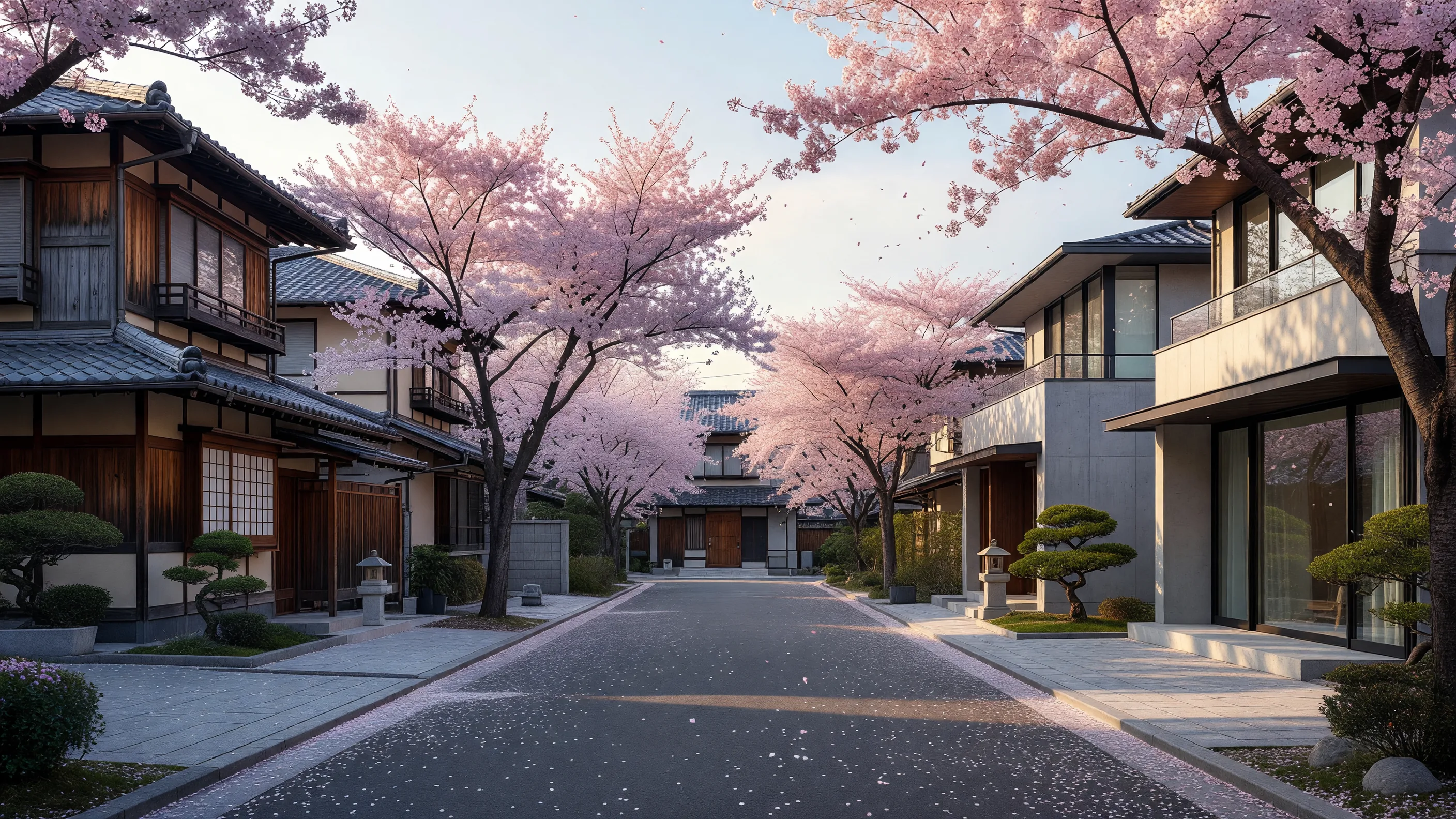
The most competitive areas continue to be Minato, Shibuya, Chiyoda, and Setagaya. For international tenants, working with an agency experienced in foreign client requirements dramatically increases the chance of success.
How the Tokyo Rental Market Works in 2026
Japan's rental system differs substantially from Western markets. Understanding the structure is critical before beginning a search.
The role of guarantors and agencies
Most landlords require a guarantor (typically a Japanese company or individual). Foreign tenants without local guarantors must often use a guarantor company, which adds 30-50% of one month's rent as a one-time fee.
Property viewings are almost always arranged through licensed agencies. Direct landlord contact is uncommon. The process involves multiple viewings, paperwork, and screening that can take 2-6 weeks.
Important costs to budget for
- Key money (non-refundable "gift" to landlord): 0-2 months
- Security deposit: 1-2 months
- Agent fee: 1 month
- Guarantor company fee: 30-100% of one month's rent
- Fire insurance: ¥15,000–¥25,000 per year
Total upfront costs commonly range between 4–6 months' rent.
Buying Property in Japan as a Foreigner: 2026 Reality Check
Foreigners can freely purchase residential and commercial real estate in Japan. There are no restrictions on ownership or resale. However, financing is the real challenge.
Most Japanese banks are reluctant to lend to non-residents. Typical financing for international buyers requires 40-60% down payment or using a Japanese company structure.
Understanding Japan's New Housing Standards
In 2025–2026, stricter energy efficiency and seismic retrofit requirements are being enforced in older buildings. Always verify compliance certificates when considering pre-2000 properties.